

The quiet root causes most horse owners miss, and exactly what to do instead
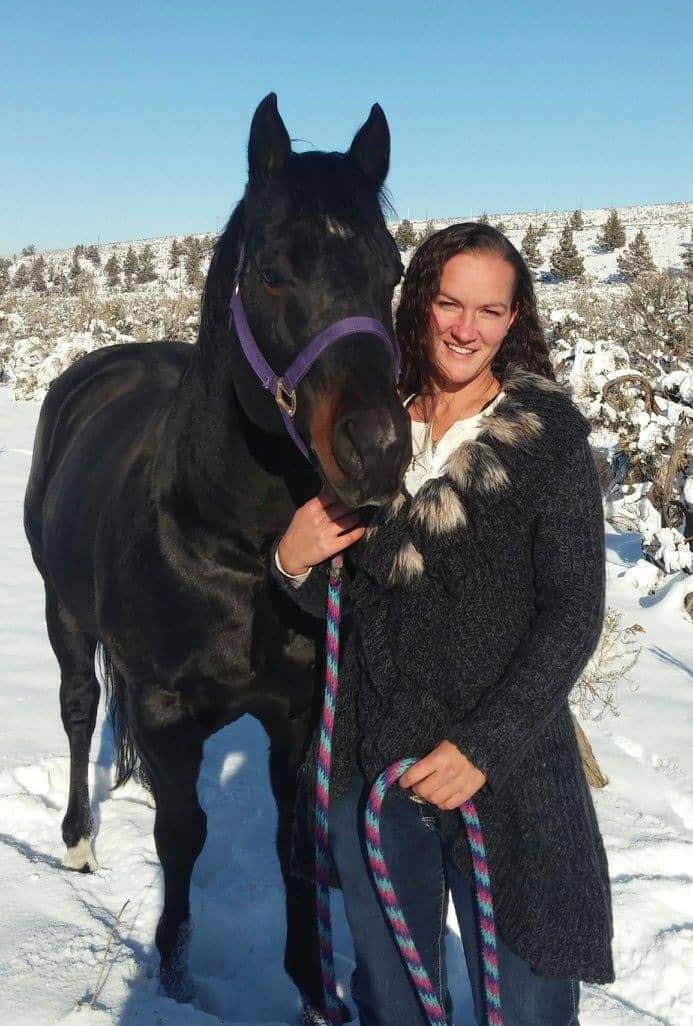
A free guide from Sierra Green, equine biologist and co-founder of Elite Equine Health & Performance
You know how you pull the grain and go forage only, the way everyone in the groups says to, and a few months later he's dropped weight, his topline is getting weak, or he's gotten fat on hay alone? And every post you read gives you a different answer?
That's why I wrote this guide. Forage is the right foundation for all horses, but the switch has a few quiet traps that aren't on the feed tag or in the forums. I went through the research and pulled out the seven I'd fix first, each with the numbers to get it right.
So you can stop playing feed-room chemist, stop paying twice for ineffective and expensive supplements that overlap, and know his feed is actually complete, and get back to enjoying your horse instead of second-guessing everything that goes in his bucket.
Haven't switched yet? Start at number 1. Already switched? Start with the one that sounds like your horse.
Sierra
Mistake Before you pull the grain
Why it's easy to do:
Pulling the grain is usually the right thing to do, so the feed bag goes. Nobody mentions it was also his multivitamin.
What's really going on:
A fortified feed carries the vitamins and trace minerals his hay lacks. But it's balanced for the amount on the tag, often about 5 pounds a day for a 1,000-pound horse1. Most hay can't cover them by itself2. In wrapped forage (haylage) from 124 farms in Sweden and Norway, the average fell short on copper, zinc, selenium and sodium3. Selenium follows the soil: it runs low in much of the Northwest, and Montana hay can run high4,5. Many horses were short before the switch, too. A fortified feed fed below the tag amount cuts the vitamins and minerals along with the calories. Extension specialists say that's common when owners cut back to save money or trim his weight1,2. The cost is quiet: gaps like these can take months or years to show6.
What to do instead:
Replace what the grain carried, on purpose.
Your 30-second check:
Find the feeding chart on the bag you were using. Were you feeding the amount for his weight? If not, he was already short on the vitamins and minerals on that tag.
Mistake Before you pull the grain
Why it's easy to do:
Hay comes apart in flakes, so we count flakes. In one survey, fewer than half of owners could say how much hay and water a horse needs a day10.
What's really going on:
Flakes lie. Three flakes from one bale weighed 3.2 to 4.6 pounds11. Grass flakes run 2 to 5 pounds, alfalfa 3 to 812. With the grain gone, hay carries all his calories, and hay runs about 0.76 to 1.1 megacalories (Mcal) per pound13. A 1,000-pound horse needs about 15 Mcal a day at rest and 18 in light work, like pleasure trail riding8. Twenty pounds of stemmy hay at 0.8 Mcal per pound gives him 16. That's enough standing in the field, and about 2 short once he's ridden: the horse that "dropped weight when I pulled the grain." Forage alone can fuel real work if it's high-energy: Swedish harness racehorses have trained on it14. And two big meals leave long gaps. More than 6 hours between forage meals was linked to a higher risk of damage to the upper stomach lining15.
What to do instead:
Your 30-second check:
Weigh tonight's hay. At least 15 pounds, and closer to 20, per 1,000 pounds of horse? Any left at breakfast? If he's cleaned up by midnight, the gap until morning is too long.
Mistake Before you pull the grain
Why it's easy to do:
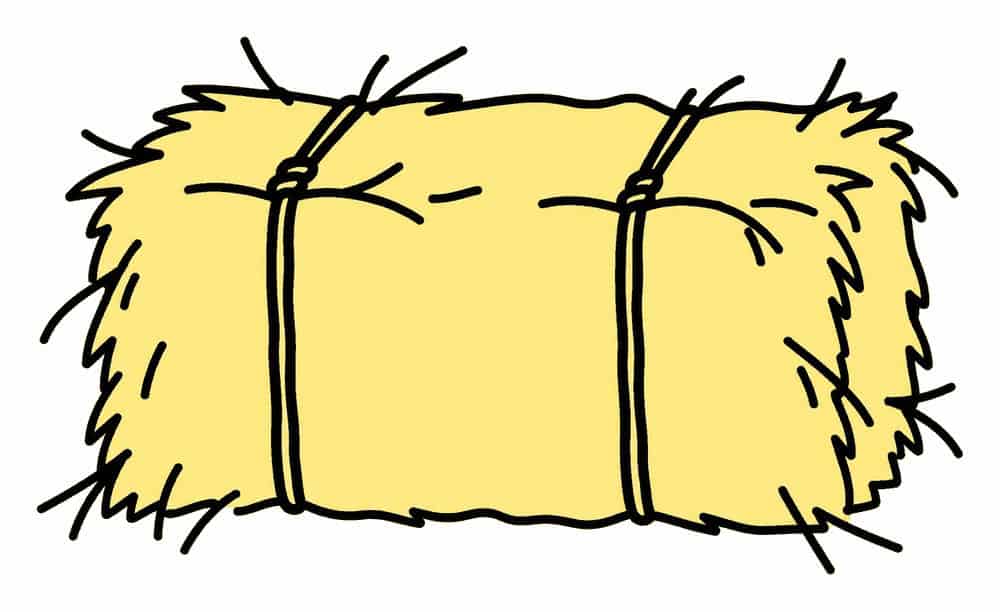
Grain is the sugar, hay is grass. For a lot of us, that's the whole reason to switch.
What's really going on:
Hay can carry more sugar than you'd guess, and you can't see it. Cool-season grasses like timothy and orchardgrass tend to run higher than warm-season hays like Bermuda or teff, but not always. Ryegrass can run very high, and alfalfa is often lower than grass hay17,20,21. No hay can be called low in sugar without a test20. In one UK study, the hays started at 12 to 23% sugar. After soaking up to 16 hours in cold water, seven of them were still over 10%22. In a horse with insulin problems, high-sugar forage drives insulin higher after he eats, and insulin trouble is the biggest risk to his feet16. In an easy keeper, it's why he gains on "just hay."
What to do instead:
Your 30-second check:
Does he have a cresty neck or fat pads by the tailhead, or has he ever been footsore on spring grass? A cresty neck goes with higher insulin29. If so, the sugar number on a hay test is the most important number in this guide. Do you know yours?
Mistake During the switch

Why it's easy to do:
Once you decide, you want it done. And the switch often lands with a new load of hay, a new barn or spring grass.
What's really going on:
His hindgut runs on microbes matched to what he eats now. When ponies were switched abruptly between grass and hay, most of the change in those microbes came in the first 3 days30. The part owners forget is the forage. In a Texas study of about 2,000 horses seen by vets, a diet change in the past two weeks went with more than six times the odds of belly pain. A change in the type of hay was the one specific diet change tied to it31,32. A second Texas study flagged a new batch of hay, and less time at pasture33.
What to do instead:
Take the grain out first, then change one thing at a time. When you add richness or calories to his diet, any change must be done slowly.
Your 30-second check:
Count the changes coming this month: feed, hay, pasture, barn, workload. More than one? Space them about two weeks apart.
Mistake The gaps that show up months later
Why it's easy to do:
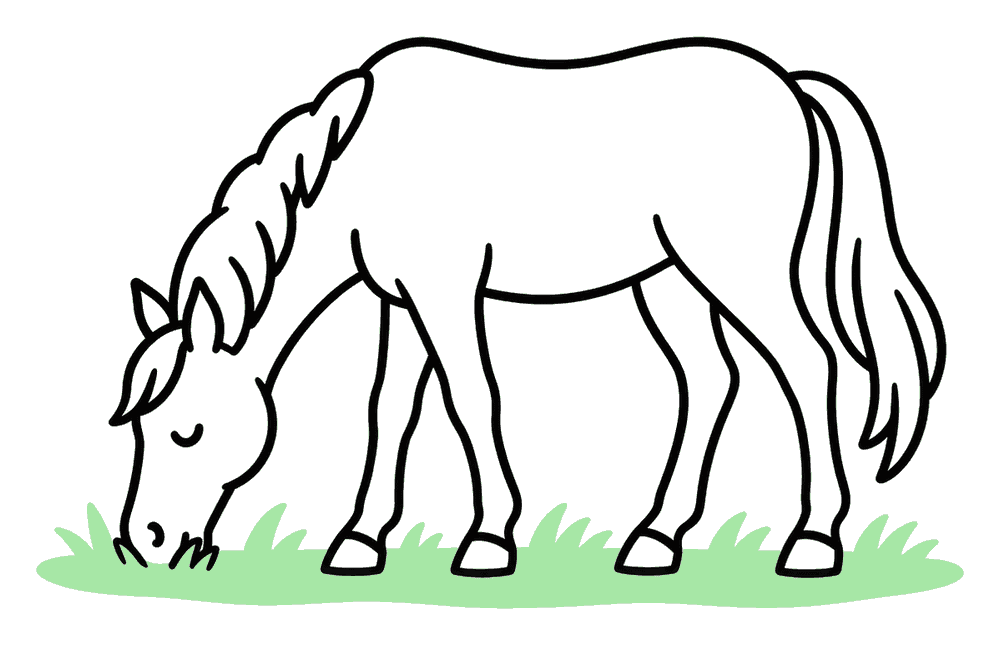
Good hay is green and smells like summer. It's easy to assume it carries everything the grass did.
What's really going on:
Fresh grass is where horses get most of their vitamin E. Hay loses much of it as it dries and sits, up to half in a month of storage37. One mature grass hay in a 2023 study would give a 1,000-pound horse less than 20 IU a day. He needs about 45037,38. In an Oregon study of 331 horses, more than a third were low or borderline, though most were getting vitamin E in a supplement. Horses with 6 hours of grass a day or less were more likely to be low9. In a small Wisconsin herd, 70 to 74% tested low in winter and spring, even with a vitamin and mineral mix out free choice39. Low vitamin E doesn't always cause trouble, but it's linked with muscle and nerve problems37.
What to do instead:
Your 30-second check:
Has he had real green grass for more than 6 hours a day this month? If not, add up the vitamin E on every label he gets. Under 500 IU is a gap.
Mistake The gaps that show up months later
Why it's easy to do:
He eats plenty, and the protein number looks fine. So the topline should come.
What's really going on:
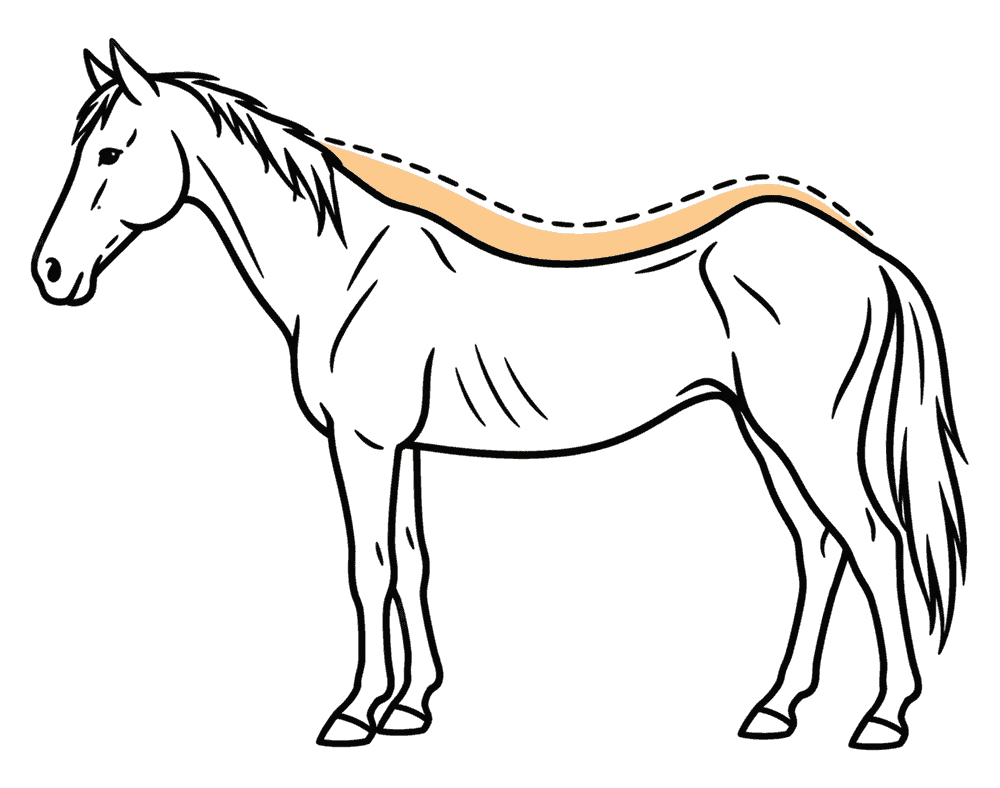
Topline is muscle, and muscle is built from amino acids. Lysine is the one that runs out first40. A 1,000-pound horse needs about 25 grams a day at rest and about 30 in moderate work8,40. The crude protein number tells you how much protein, not how much lysine41. Mature grass hay can come up short: UK hays in one study ran just 3 to 9% protein22. Most adult horses need about 8 to 10%12,13. Alfalfa carries far more lysine. In one comparison for nursing mares, an alfalfa hay diet supplied one and a half times what they needed, and an oat hay diet about a third42. In a small study, horses in light work given extra lysine and threonine for 14 weeks held their muscle better than horses without, older and younger alike43. Fresh pasture usually covers lysine for adult horses; stored, mature hay is where it slips41. And extra protein alone won't build a topline without the right work8,40.
What to do instead:
Your 30-second check:
Run your hand from his withers to his loin. A dip behind the withers, a spine you can feel, and a hay belly underneath? Check the protein number on your hay test before you buy another tub.
Mistake The gaps that show up months later
Why it's easy to do:
There's a block in the stall, and horses know what they need. That's what most of us were told.
What's really going on:
Forage carries little sodium, so his salt has to come from you: about 1 to 2 ounces a day3,8,44. Free choice isn't reliable. In a 2026 study, 16 horses given a block or loose salt ate anywhere from 2 to 135 grams a day. More than half didn't eat enough45. Sweat makes it worse: 1 to 2 hours of hard work can cost him more than an ounce8. Selenium salt blocks fare no better. In the Oregon study, horses relying on one for selenium were often low, and the researchers advised against a block as the sole source9. Salt also keeps him drinking, and a horse on dry hay alone can drink nearly twice as much as one on a mixed diet or grass8,44. A 1,000-pound horse needs at least 10 to 12 gallons a day44. Horses drink less when the water is ice cold, and a horse that drinks too little is more prone to an impaction44,46.
What to do instead:
Your 30-second check:
Look at his salt block. Same size as last month? Then he isn't eating his salt, and he may not be drinking enough either.
Seven tools to print for the barn wall: the hay math, the 14-day switch calendar, the hay test cheat sheet, your daily base, the label add-up, slow feeders done right, and when to call your vet first.
All seven tools, one to a page, made to print for the barn wall. We'll email it to you.
You'll also get a few short emails from Sierra on switching to forage only. Unsubscribe anytime.
Your forage-only toolkit
How much hay? Weigh it, as fed. Start at 2% of his body weight11; 1.5% is the floor for an easy keeper unless your vet is running a weight-loss plan16,17.
About 20 pounds of hay a day
That's about 6.7 pounds per feeding
or about flakes a day
Weigh a day's hay on a hanging scale (a luggage or fish scale works). Flakes lie. Three flakes from one bale weighed 3.2 to 4.6 pounds11. Easy keepers: don't go below 1.5% (15 pounds) unless your vet is running a weight-loss plan16,17. Split the hay into 3 or more feedings, or use a slow feeder, so he's never more than about 6 hours without it15.
| His weight | 1.5% (the floor) | 2% (most horses) | 2.5% (hard keepers, if he'll eat it) |
|---|---|---|---|
| 800 lb | 12 lb | 16 lb | 20 lb |
| 1,000 lb | 15 lb | 20 lb | 25 lb |
| 1,200 lb | 18 lb | 24 lb | 30 lb |
The 2.5% column is the top of the usual starting range47.
No scale for him? Weight in pounds is about heart girth × heart girth × body length ÷ 330, all in inches. Measure the girth around the barrel, just behind the shoulder at the base of the withers. Measure the length from the point of the shoulder to the point of the buttock8,48. In a big owner survey, most owners used a weight tape49. In one study, tapes were off by about 145 pounds on average, where this formula came within about 4048.
Enough calories? Pounds of hay × Mcal per pound. You weighed the hay as fed, so use the "as sampled" column of your hay test for this one13. A 1,000-pound horse needs about 15 Mcal a day at rest, 18 in light work and 21 in moderate work8.
Allow for waste: hay fed on the ground lost about 13% in one study; a round bale with no feeder lost 57%19,50.
Track him every 2 weeks: his weight (the formula), his body condition on the 1 to 9 scale vets use51, and a photo from the same side.
Your forage-only toolkit
Before day 1
Grain: as usual
Hay: as usual
Also: Weigh him (the formula), take side photos, note his manure. Send a hay sample. Stock 2 weeks of the same hay.
Days 1 to 3
Grain: out: cold turkey, or wean him off over these 3 days
Hay: up to his target, the same hay
Also: Start 1 oz of salt a day. Start the balancer at half the tag amount.
Days 4 to 6
Grain: none
Hay: at his target
Also: The balancer at the full tag amount
Days 7 to 14
Grain: none
Hay: at his target
Also: Hold steady. No other changes.
After day 14
Also: Anything richer, one at a time: a new hay, alfalfa or pellets, swapped in a quarter every other day. Spring grass: see mistake 4.
Every day, watch his appetite, his manure and his attitude. If he goes off his feed, slow down. If he stops eating or stops passing manure, call your vet.
The pace: cutting out grain and other high-starch feeds is generally safe to do cold turkey; if you're concerned, wean him off over a few days. Anything that adds richness or calories goes in slowly: the balancer in two steps, and a new hay or alfalfa a quarter at a time35.
Your forage-only toolkit
Order a horse package from an equine lab. About $24 covers sugar, starch, protein and energy. About $38 adds minerals and an estimate of lysine. Selenium is about $65 more23.
Sample one lot at a time: one cutting from one field13,52. Take one core from each of 20 bales, 12 to 18 inches deep into the end. Mix them, and seal about half a pound in a plastic bag52. No probe? Ask your county extension office or the lab.
Read the dry matter column against these targets. For the calorie math, use the "as sampled" column, since you weigh hay as fed13.
| Line on the report | What to look for |
|---|---|
| NSC (WSC + starch) | Under 10% for easy keepers and horses with insulin problems16. Minnesota Extension uses 10 to 12%13. |
| Crude protein | About 8 to 10% for adults at rest; more for work and seniors12,13 |
| Digestible energy | 0.76 to 1.1 Mcal per pound; hard keepers want the high end13 |
| ADF | Under 45%. Higher means less digestible hay13 |
| NDF | Under 65%. Higher means he'll eat less of it13 |
| Calcium to phosphorus | Between 1:1 and 3:1 for adult horses13 |
| Copper, zinc, selenium, sodium | Match your balancer to these, or hand the report to a nutritionist13 |
Your forage-only toolkit
(a 1,000-pound adult with no green grass)
That's the whole base. Anything more should earn its place: one thing at a time, for his job or a specific problem, judged over weeks, not days.
Your forage-only toolkit
List everything he gets, then add up each column.
| Total | |
|---|---|
| Product | |
| Amount a day | |
| Selenium (mg) | aim: 1 to 3 |
| Vitamin E (IU) | aim: at least 500 (750 to 900 in work) |
| Salt (oz) | aim: 1 to 2 |
| Cost a day |
His hay adds its own selenium, and only a test tells you how much.
The same nutrient on three labels? You may be paying for it three times. In the Oregon study, owners used 127 different products between them, 75 of them with selenium. More than a third of the horses were still low or borderline in vitamin E9. In a Dutch study of horses' rations, many were getting more copper and zinc than they need53. More products don't mean more nutrition.
The fill-in version, with room for six products, is in the printable toolkit.
Your forage-only toolkit
A hay-fed horse spends about 39% of his day eating, against 56% for a horse at grass54. A slow feeder closes some of that gap, if it's set up right.
Your forage-only toolkit
Call your vet the same day if he stops eating, stops passing manure, paws, rolls or keeps looking at his belly, or seems footsore.
Start with the two five-minute ones: weigh tonight's hay, and put an ounce of salt in his feed.
When his base is covered, take the 60-second quiz at eehp.pro. Tell us about your horse, and it shows you the one protocol that fits him. It goes on top of his forage and this base, not in place of them. One simple daily routine, instead of a feed room full of tubs.
Questions? Ask me in our free Facebook group, Equine Gut Health Secrets.
Sierra
This guide is general education, not veterinary advice. If something is new, sudden or getting worse, call your vet first.
All seven tools, one to a page, made to print for the barn wall. We'll email it to you.
You'll also get a few short emails from Sierra on switching to forage only. Unsubscribe anytime.

WANT MEMBER ONLY ACCESS TO EXCLUSIVE DEALS?
Join the VIP list to get notified early, before we sell out!